Why the Energy Transition Matters
The global economy is undergoing one of the most significant transformations since the Industrial Revolution. Businesses, governments, and investors are increasingly focused on reducing carbon emissions while maintaining economic growth and energy security.
The transition toward a low-carbon economy is no longer viewed solely as an environmental objective. It has become a strategic business priority that influences investment decisions, supply chains, technology development, and long-term competitiveness.
For companies across industries, preparing for this transition is becoming essential to managing risks and identifying new opportunities in a rapidly evolving marketplace.
Background and Context
For decades, global economic growth has been heavily dependent on fossil fuels such as oil, coal, and natural gas. These energy sources powered manufacturing, transportation, and urban development, helping fuel unprecedented economic expansion.
However, concerns about climate change, energy security, and environmental sustainability have encouraged governments and businesses to explore cleaner alternatives. Advances in renewable technologies, including solar, wind, and battery storage, have significantly reduced costs and improved reliability.
At the same time, international climate commitments and growing public awareness have increased pressure on organizations to reduce their environmental footprint. As a result, many businesses are incorporating sustainability into their long-term planning.
What was once considered a niche corporate responsibility initiative has increasingly become a central part of business strategy.
Main Drivers Behind the Transition
Several powerful forces are accelerating the move toward a low-carbon economy.
Technology innovation is perhaps the most important factor. Renewable energy technologies have become more efficient and cost-effective over the past decade. Solar panels, wind turbines, energy storage systems, and electric vehicles are now more commercially viable than ever before.
Investor expectations are also evolving. Many institutional investors are evaluating environmental performance alongside traditional financial metrics. Companies that demonstrate credible sustainability strategies are often viewed as better positioned for long-term growth.
Regulatory developments continue to play a major role. Governments around the world are introducing emissions standards, clean energy incentives, and reporting requirements that encourage businesses to reduce carbon intensity.
Consumer preferences are another important driver. Customers increasingly expect companies to demonstrate environmental responsibility. Sustainable products, cleaner supply chains, and transparent reporting have become competitive differentiators in many sectors.
Finally, energy security concerns have highlighted the importance of diversifying energy sources. Businesses are recognizing that renewable energy can provide greater stability and resilience in an increasingly uncertain global environment.
Impact on Businesses and Markets
The energy transition is reshaping industries in different ways.
Manufacturing companies are investing in energy-efficient equipment, electrified production systems, and cleaner industrial processes. These efforts can reduce operational costs while helping organizations meet sustainability targets.
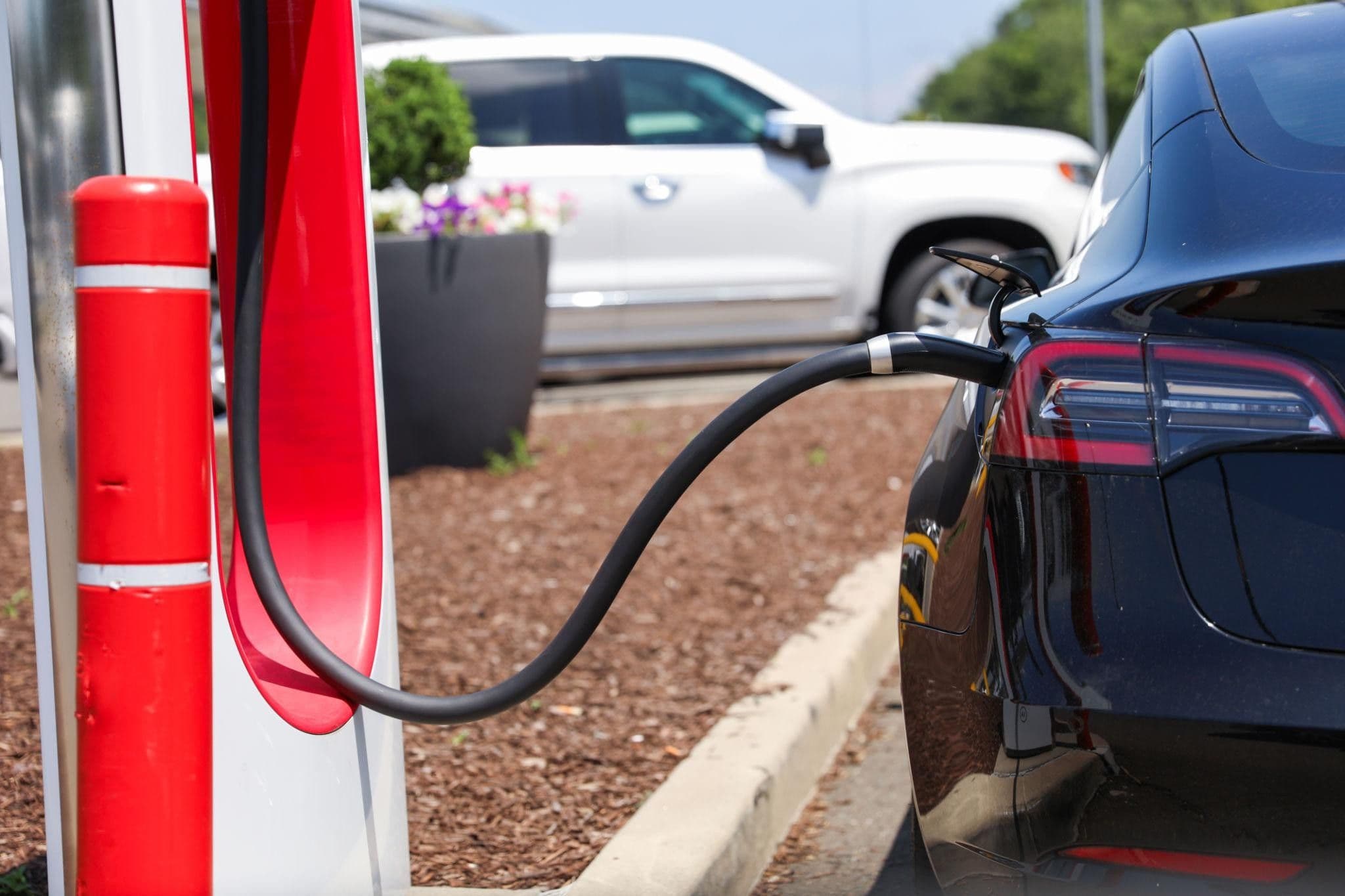
The transportation sector is experiencing significant change through the adoption of electric vehicles, alternative fuels, and improved logistics systems. Businesses involved in shipping, aviation, and automotive manufacturing are adapting to new technologies and changing regulations.
Technology companies are investing heavily in renewable energy to power data centers and digital infrastructure. Many large firms have committed to sourcing electricity from clean energy projects as part of broader sustainability goals.
Financial institutions are also adjusting their strategies. Banks, asset managers, and insurers are increasingly assessing climate-related risks when making lending and investment decisions.
Energy markets themselves are evolving as renewable power generation becomes a larger component of national energy systems. This shift is creating opportunities for companies involved in grid modernization, energy storage, and clean technology development.
At the same time, businesses face challenges. Upfront investment costs, evolving regulations, supply chain complexities, and workforce adaptation requirements can create obstacles during the transition process.
Future Outlook
The pace of the energy transition will vary across regions and industries, but the overall direction appears clear. Companies are likely to continue increasing investments in renewable energy, electrification, and sustainable operations.
Emerging technologies such as advanced battery storage, hydrogen energy, carbon capture systems, and smart energy networks may further accelerate progress. As these technologies mature, businesses could gain new tools to reduce emissions while improving efficiency.
Collaboration will also become increasingly important. Governments, private companies, investors, and research institutions will need to work together to develop infrastructure, scale innovation, and support workforce development.
Organizations that proactively adapt to changing market conditions may be better positioned to capture growth opportunities and manage future risks.
Bigger Picture
The transition to a low-carbon economy represents more than an environmental shift. It is a broad economic transformation that is redefining how energy is produced, distributed, and consumed.
For businesses, the challenge is not simply reducing emissions. It is preparing for a future in which sustainability, resilience, and innovation play a larger role in competitive success.
While uncertainties remain, the energy transition is increasingly shaping investment strategies, corporate decision-making, and global economic development. Companies that embrace change and invest in long-term solutions may find themselves better prepared for the next era of growth.
Leave A Reply
Your email address will not be published.*